

Supported Living Services – Established Since 1991
Enabling Independence, Choice and Quality of Life
Supporting Individuals to Thrive
Why Choose AKC?
Our Services
We provide a wide range of person-centred support services designed to help individuals live as independently and comfortably as possible. Our services include supported living, learning disability support, physical disability support, acquired brain injury support, and extra care housing support. We also offer assistance with personal care and daily living activities, medication support, and help with accessing the community to promote social inclusion. Our team supports individuals in developing essential life skills, maintaining their health and wellbeing, and building confidence to achieve their personal goals. In addition, we provide companionship and emotional support to enhance quality of life, as well as compassionate end-of-life care that respects the dignity, wishes, and needs of each individual and their loved ones.
Get in Touch
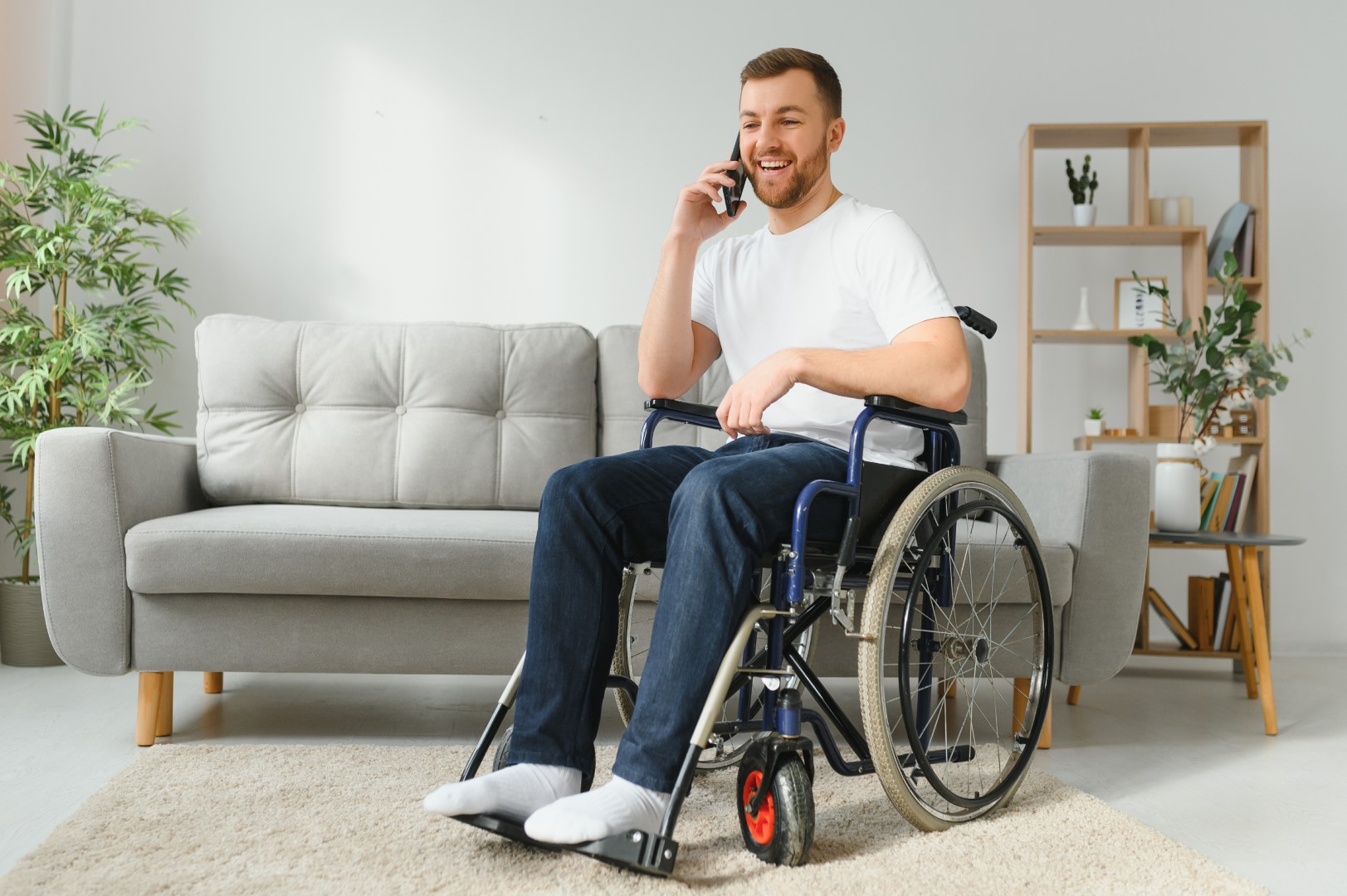

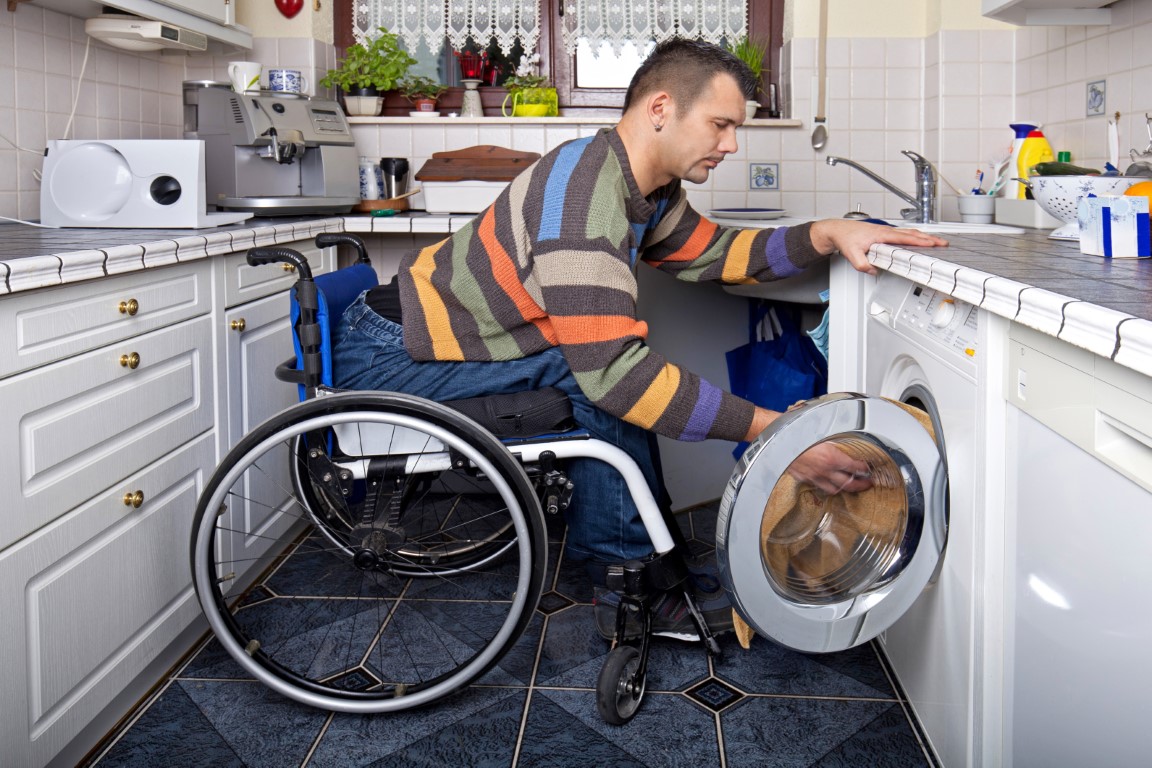
Learning New Skills
Supporting people with disabilities to learn new skills and move towards independent living requires a person-centred and structured approach that focuses on each individual’s abilities, goals and pace of development. The process begins with understanding what the person wants to achieve and involving them fully in planning their support. By identifying their interests, strengths and current skills, support can be tailored in a way that feels meaningful and motivating. Goals should be broken down into small, manageable steps so that progress is achievable and not overwhelming.
Learning is most effective when it takes place in a safe, encouraging environment. Individuals benefit from consistency, patience and reassurance while they practise new skills. Allowing time for repetition helps build confidence, while a predictable routine can reduce anxiety and support understanding. Support workers play an important role in modelling tasks, offering clear and simple instructions, and adapting their approach depending on how the person learns best. Some people may respond well to visual prompts such as pictures or step-by-step guides, while others learn better through demonstration or hands-on experience.
Positive reinforcement is essential in building confidence and motivation. Recognising and celebrating progress, no matter how small, encourages individuals to continue developing their skills and increases their sense of achievement. This approach helps to build self-esteem and reinforces the belief that they can become more independent.
A key area of support involves developing daily living skills that are necessary for independence. This includes personal care, preparing meals, maintaining a home, managing money and using community resources such as shops and public transport. These skills should be taught gradually, with support reduced over time as the individual becomes more confident and capable. Communication and social skills are equally important, as they enable individuals to express their needs, build relationships and engage with their community. Support may include helping someone practise conversations, attend activities or use communication aids where needed.